 Imagen tomada de:
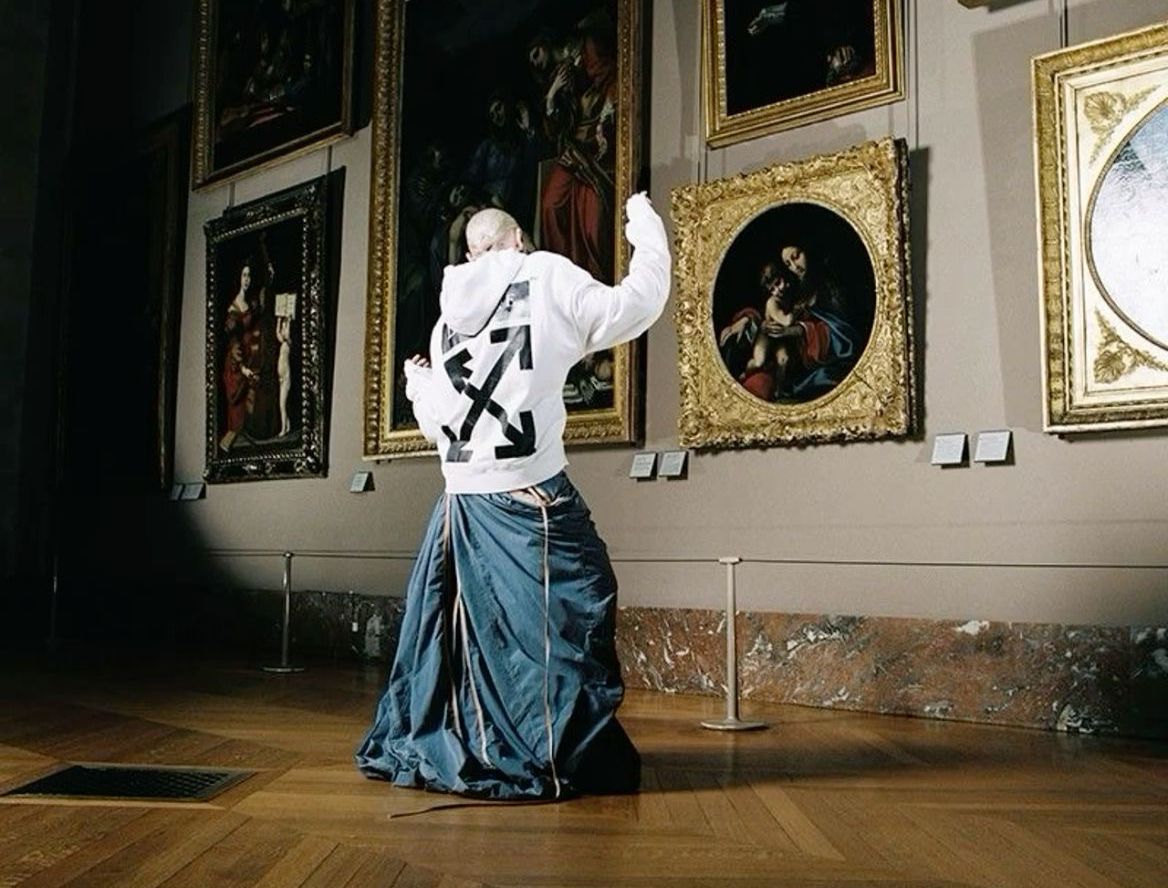
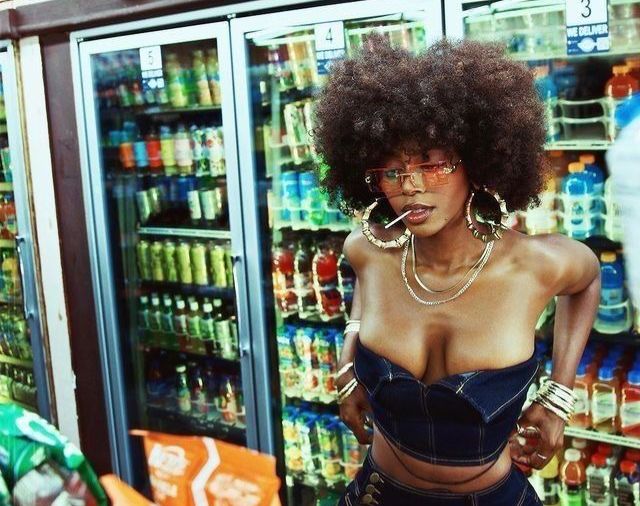
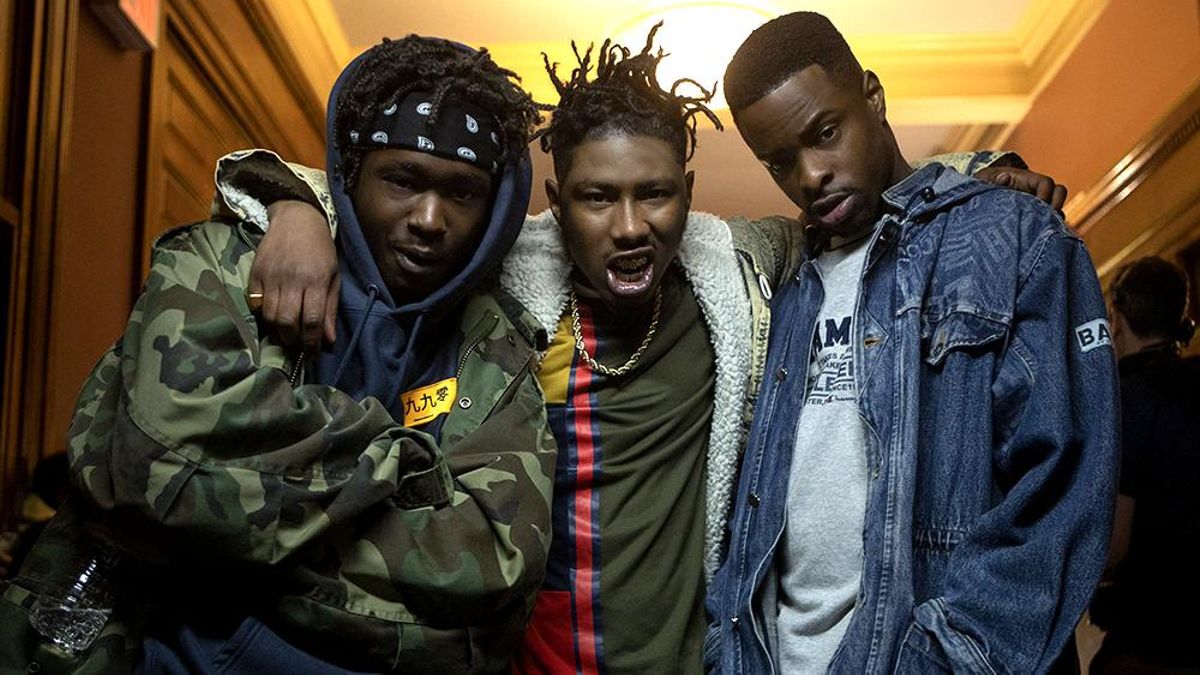
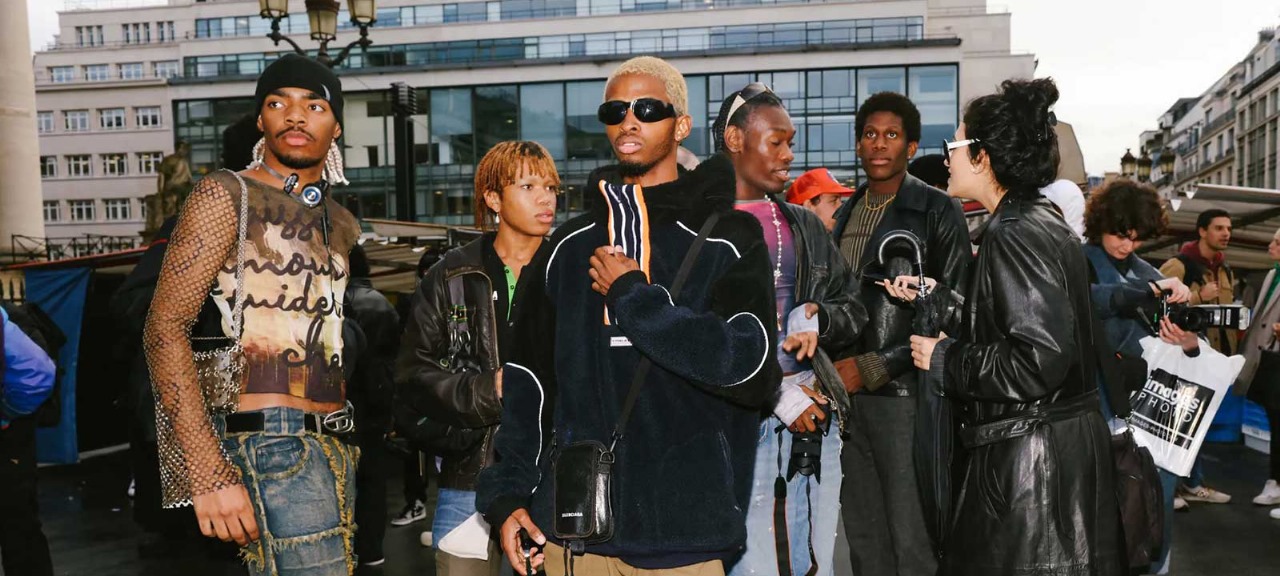
In the pulsating heart of cities, where concrete blends with street art and traffic sounds mix with hip-hop rhythms, a style of dressing was born that follows no rules, but does tell stories. Urban fashion, also known as streetwear, did not emerge on runways or in haute couture magazines. Its origin lies in street corners, skate parks, peripheral neighborhoods, and youth movements that found clothing to be a tool of resistance, identity, and creativity.
Countercultural Origins
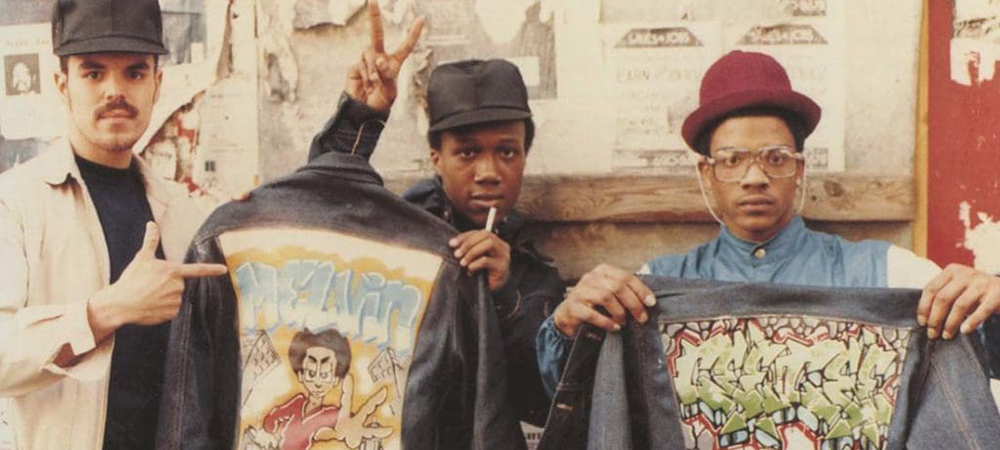
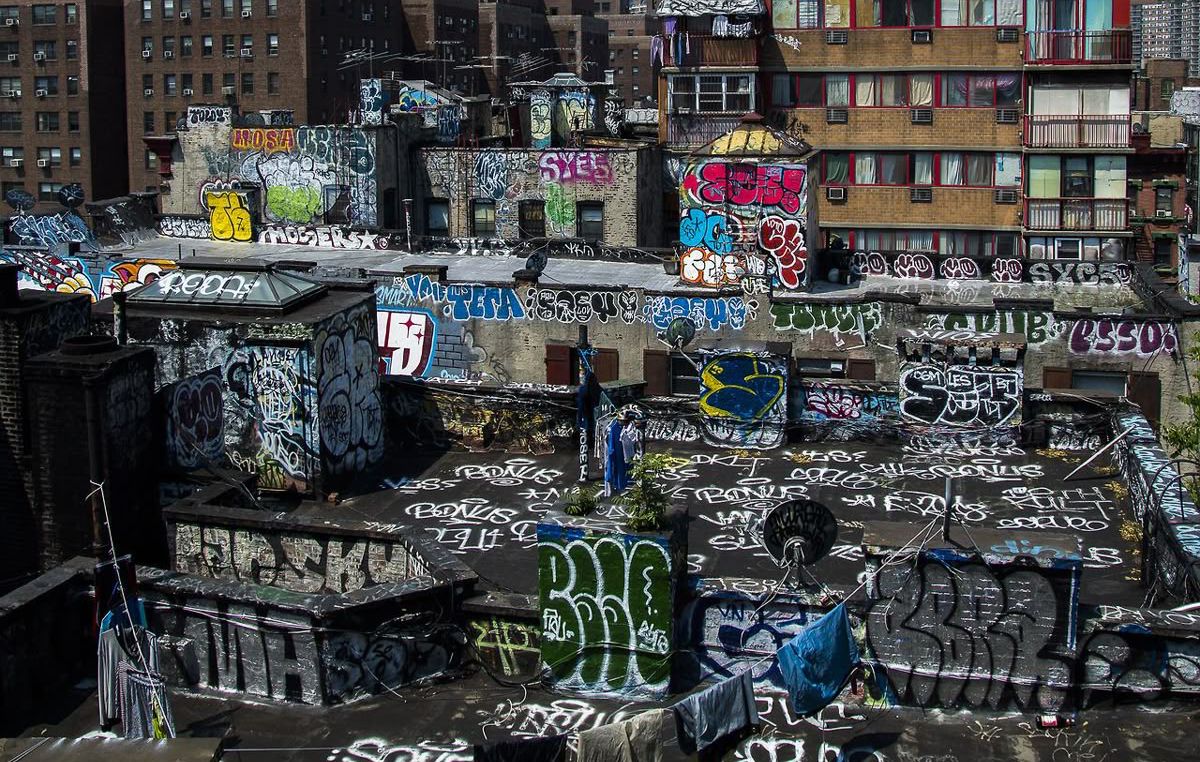
Urban fashion has its roots in the countercultural movements of the 1960s and 70s, especially in the United States. In the Bronx, New York, young African Americans and Latinos began expressing themselves through hip-hop, breakdancing, and graffiti. This environment gave rise to a particular aesthetic: sneakers, baggy pants, graphic T-shirts, and flat-brimmed caps. It was not just clothing — it was a declaration of presence in a world that made them invisible (Martínez Sánchez, 2025).
Simultaneously, in London, punk was breaking established canons. Leather jackets, studs, and extreme hairstyles were part of a visual protest against the system. In Tokyo, the Harajuku neighborhood became a laboratory of hybrid styles where traditional Japanese aesthetics mixed with futurism and Western fashion.
Evolution and Globalization
During the 1980s and 90s, urban fashion expanded globally. Skateboarding in California, reggae in Jamaica, techno in Berlin, and grunge in Seattle contributed new aesthetic layers. Each urban subculture adopted its own elements, but all shared one principle: dressing as a form of free expression.
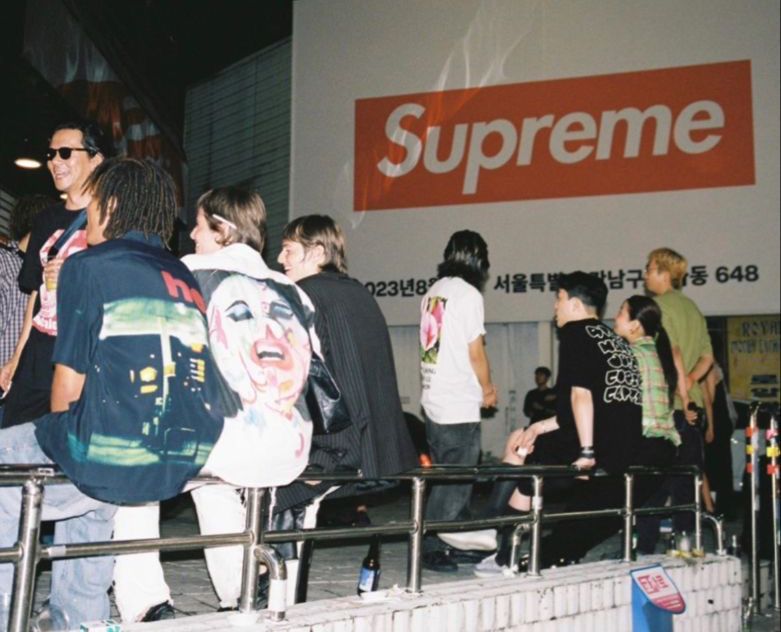
During this period, brands like Stüssy, FUBU, and Karl Kani began establishing themselves as streetwear references. Later, Supreme would redefine the concept of exclusivity, selling limited collections that sold out in minutes and generated long lines in the streets (Escritos de Psicología, 2025).
From the Street to High Fashion
What began as a marginal cultural manifestation soon caught the attention of the fashion industry. From the 2000s onward, houses like Louis Vuitton, Gucci, and Balenciaga began collaborating with urban artists, rappers, and independent designers. Streetwear stopped being a counterculture and became a dominant movement.
This transition was not just aesthetic but also symbolic. Urban fashion brought topics like inequality, migration, racial diversity, and sustainability to the runway. Designers like Virgil Abloh (Off-White) and Justin Mensinger have used their collections to speak about activism, recycling, and social justice (The Reason Behind, 2025).
Urban Fashion in Latin America
In cities like Medellín, Buenos Aires, and Mexico City, urban fashion has taken on its own nuances. Influenced by reggaeton, trap, and local street art, this aesthetic has become a tool of youth empowerment. In Medellín, collectives like Casa Kolacho have fused graffiti with fashion to create pieces that narrate the history of the neighborhoods and their social struggles.
The Future of Urban Style
Today, urban fashion constantly reinvents itself. Social media, especially TikTok and Instagram, has democratized trend creation. Young people from around the world share their outfits, mix styles, and challenge gender, class, and racial norms. Urban fashion no longer belongs to an elite or a brand: it belongs to those who live it.
In this context, sustainability and inclusion have become fundamental pillars. Emerging brands bet on recycled materials, ethical production, and diverse representation. The streetwear of the future will not only be stylish, but also conscious.