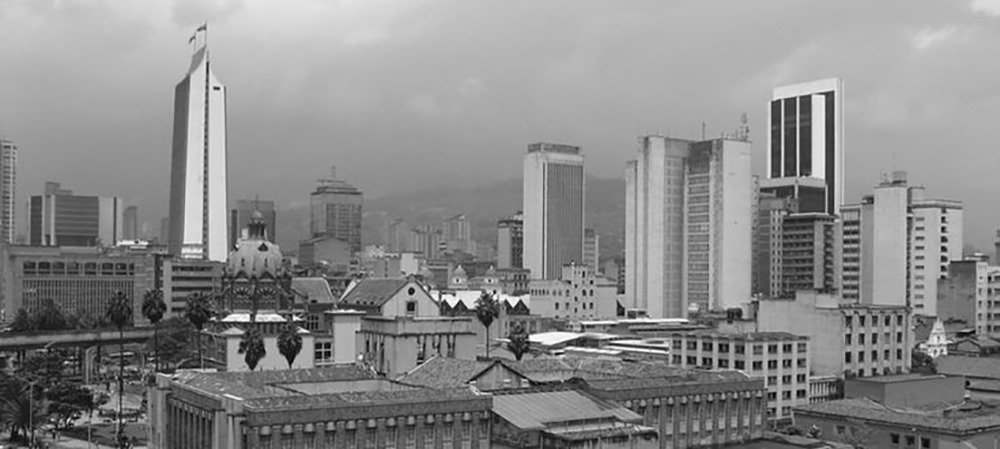
Medellín cityscape

Medellín más allá del estigma: Una ciudad reinventándose

Por: Equipo Editorial MEKA | Cultura


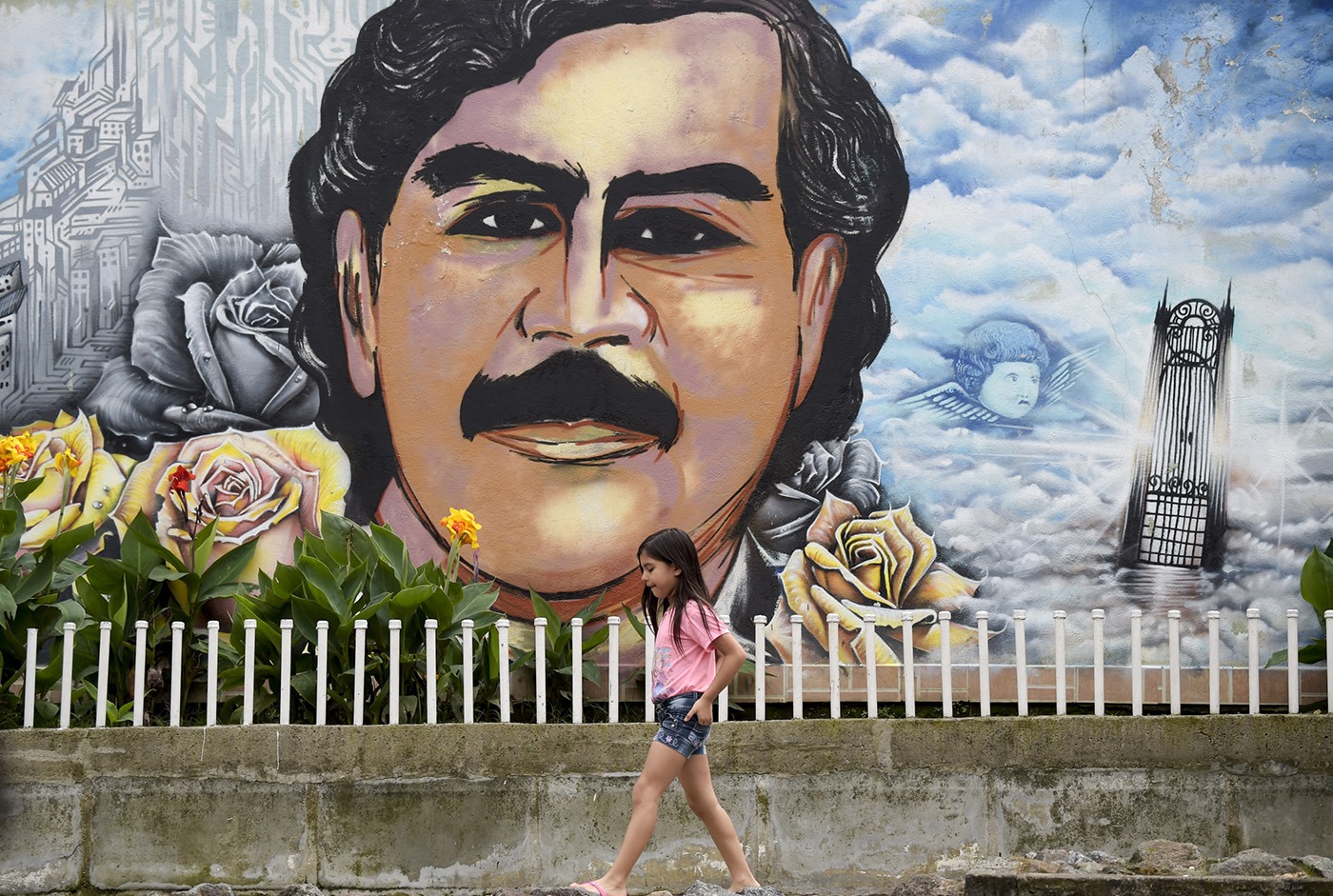
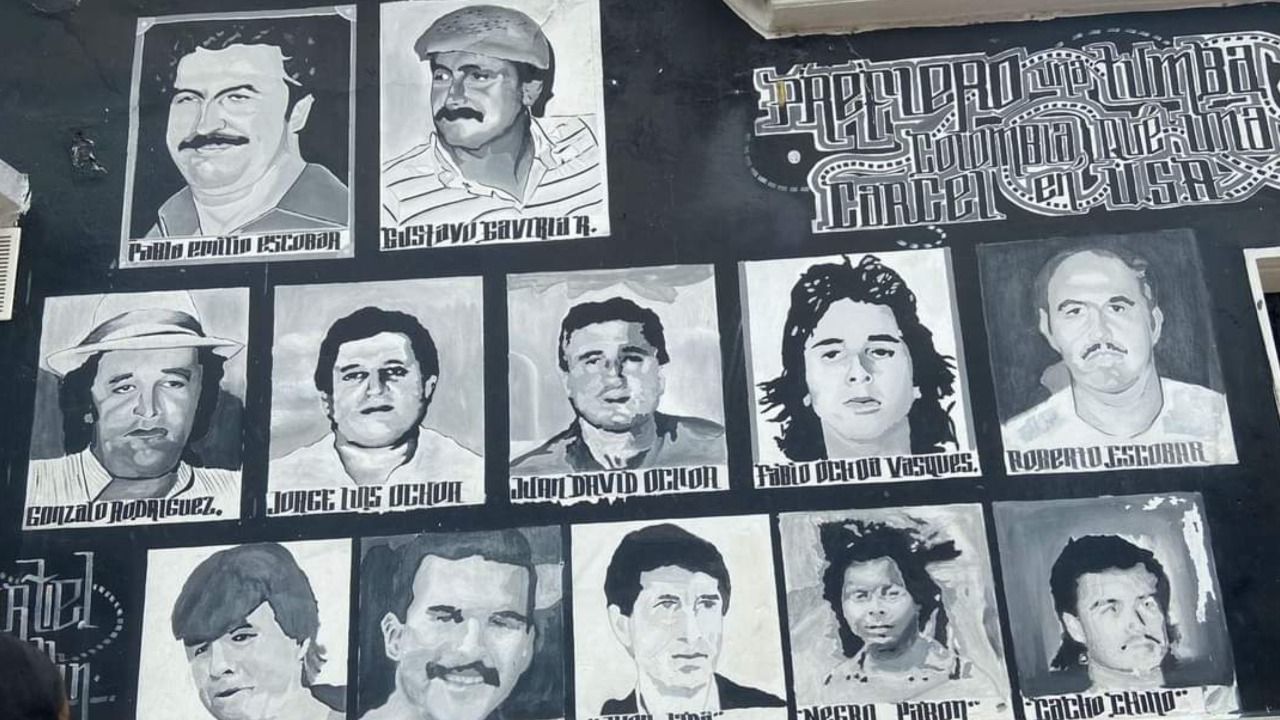
Medellín carga una historia que le fue impuesta. Para muchos extranjeros, su nombre sigue siendo sinónimo de violencia, narcotráfico y miedo. Esta mirada externa, repetida en blogs de viajes y conversaciones casuales, reduce la complejidad de la ciudad a un cliché. Es una forma de violencia simbólica: negar la transformación y la memoria viva de quienes habitan sus barrios, sus calles y sus rituales cotidianos.

La estigmatización no es accidental. Según Indepaz, el estigma ha sido históricamente un mecanismo de exclusión y control social en Colombia. En Medellín, se traduce en narrativas turísticas que enfatizan el pasado de los carteles del narcotráfico, ignorando políticas públicas como la Política de Paz y No Violencia de Medellín, que busca la reconciliación y la convivencia.

Los números detrás de la narrativa

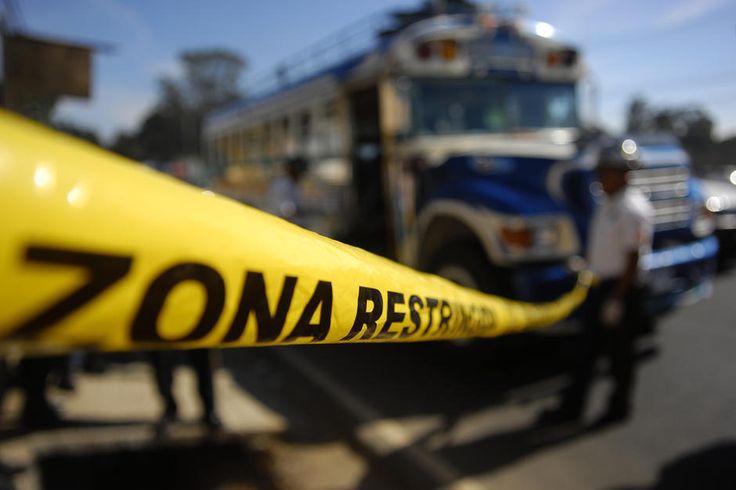
Las estadísticas cuentan otra historia, más matizada y menos sensacionalista: en 2023 hubo 366 homicidios; en 2024, la cifra cayó a 310, una reducción del 15%. La ciudad no está atrapada en su pasado: avanza y celebra logros sin precedentes.

Turismo y la mirada extranjera

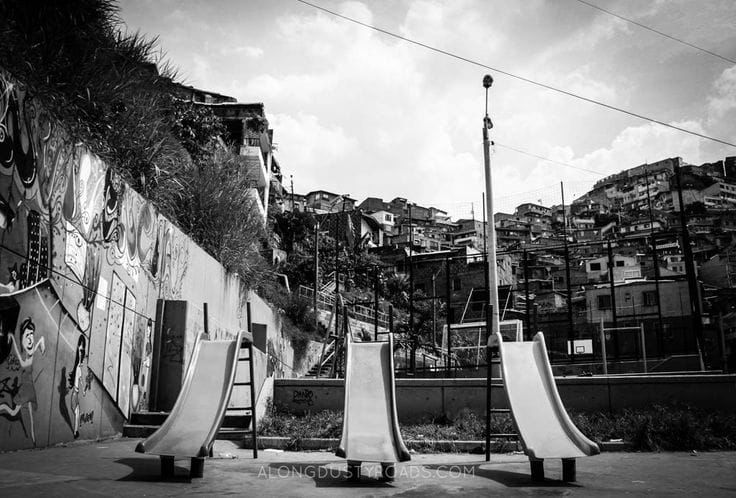
El turismo ha sido un motor de transformación, pero también un espejo del estigma. Muchos visitantes llegan buscando "la ciudad de Pablo Escobar". Sin embargo, Medellín promueve planes de turismo seguro y apuesta por mostrar su cara innovadora: gastronomía de clase mundial, museos interactivos y barrios convertidos en lienzos de arte urbano. La Comuna 13, antes símbolo de violencia, es hoy un espacio de memoria y resistencia.

Una ciudad como laboratorio

Medellín es reconocida internacionalmente como un laboratorio urbano. Su sistema integrado de transporte conecta barrios antes aislados. Programas sociales, bibliotecas públicas y parques educativos forman parte de una estrategia que busca transformar la violencia en convivencia.

Más allá del estigma

Reducir Medellín a la violencia es perpetuar la exclusión simbólica. La ciudad no necesita ser mirada con lástima; necesita ser reconocida por lo que es: una metrópolis que, a pesar de sus cicatrices, continúa reinventándose y enseñando al mundo que la memoria puede ser motor de cambio.
Referencias

Medellín cityscape
Imagen tomada de: Pinterest

MEDELLÍN BEYOND THE STIGMA: A CITY REINVENTING ITSELF

By: MEKA Editorial Team | Culture

A City Narrated from the Outside

Medellín carries a story imposed upon it. For many foreigners, its name is still synonymous with violence, drug trafficking, and fear. This external gaze, repeated in travel blogs and casual conversations, reduces the city's complexity to a cliché. It is a form of symbolic violence: denying the transformation and the living memory of those who inhabit its neighborhoods, its streets, and its daily rituals.

Stigmatization is not accidental. According to Indepaz, stigma has historically been a mechanism of exclusion and social control in Colombia. In Medellín, it translates into tourist narratives that emphasize the past of drug cartels, while ignoring public policies such as the Peace and Non-Violence Policy of Medellín, which seeks reconciliation and coexistence.


Statistics and data
Imagen tomada de: Pinterest

The Numbers Behind the Narrative

Statistics tell another story, more nuanced and less sensationalist:

  • Homicides: In 2023, there were 366 cases; in 2024, the number dropped to 310, a 15% reduction.
  • In 2025, although there was an uptick with 223 homicides in the first months (16% more than the same period in 2024), the city achieved unprecedented milestones: 52 days without homicides, including a streak of seven consecutive days.
  • Perception of Security (2024): Official surveys revealed that most residents trust local institutions and value coexistence as a central axis of urban life.

These figures show that Medellín is not a city trapped in its past, but one that faces challenges while also celebrating significant progress.


Tourism and transformation
Imagen tomada de: Pinterest

Tourism and the Foreign Gaze

Tourism has been a driver of transformation, but also a mirror of stigma. Many visitors arrive seeking "the city of Pablo Escobar," feeding a circuit of tours that exploit the memory of pain. Yet Medellín promotes safe tourism plans and strict regulations against the sexual exploitation of visitors, as reported by El Tiempo in 2025.

At the same time, blogs like Elcielo Hotel's highlight another face: that of an innovative city, with world-class gastronomy, interactive museums, and neighborhoods that have become canvases of urban art. Comuna 13, once a symbol of violence, is now a space of memory and resilience, where murals narrate stories of resistance and hope.


Urban infrastructure
Imagen tomada de: Pinterest

A City as a Laboratory

Medellín is internationally recognized as an urban laboratory. Its integrated transport system—metro, cable cars, tram—connects neighborhoods once isolated, becoming a symbol of inclusion. Social programs, public libraries, and educational parks are part of a strategy that seeks to transform violence into coexistence.

The city does not hide its wounds, but turns them into active memory. Murals, sculptures, and community rituals are ways of narrating the past without repeating it. In this sense, Medellín teaches that memory can be a driving force for transformation, and that violence should not be denied but re-signified.


Modern Medellín
Imagen tomada de: Pinterest

Beyond the Stigma

Reducing Medellín to violence is to perpetuate symbolic exclusion. Recognizing its progress opens space for a fairer and more complete story. The city does not need to be looked at with pity or morbid curiosity; it needs to be recognized for what it is: a metropolis that, despite its scars, continues to reinvent itself and teach the world that memory can be a motor for change.

Medellín today is a mosaic of contrasts: neighborhoods turned into art galleries, statistics showing advances in security, public policies betting on peace, and communities transforming pain into rituals of coexistence. It is a city that invites us to narrate it from complexity, not from stigma.

References